About Arangetram
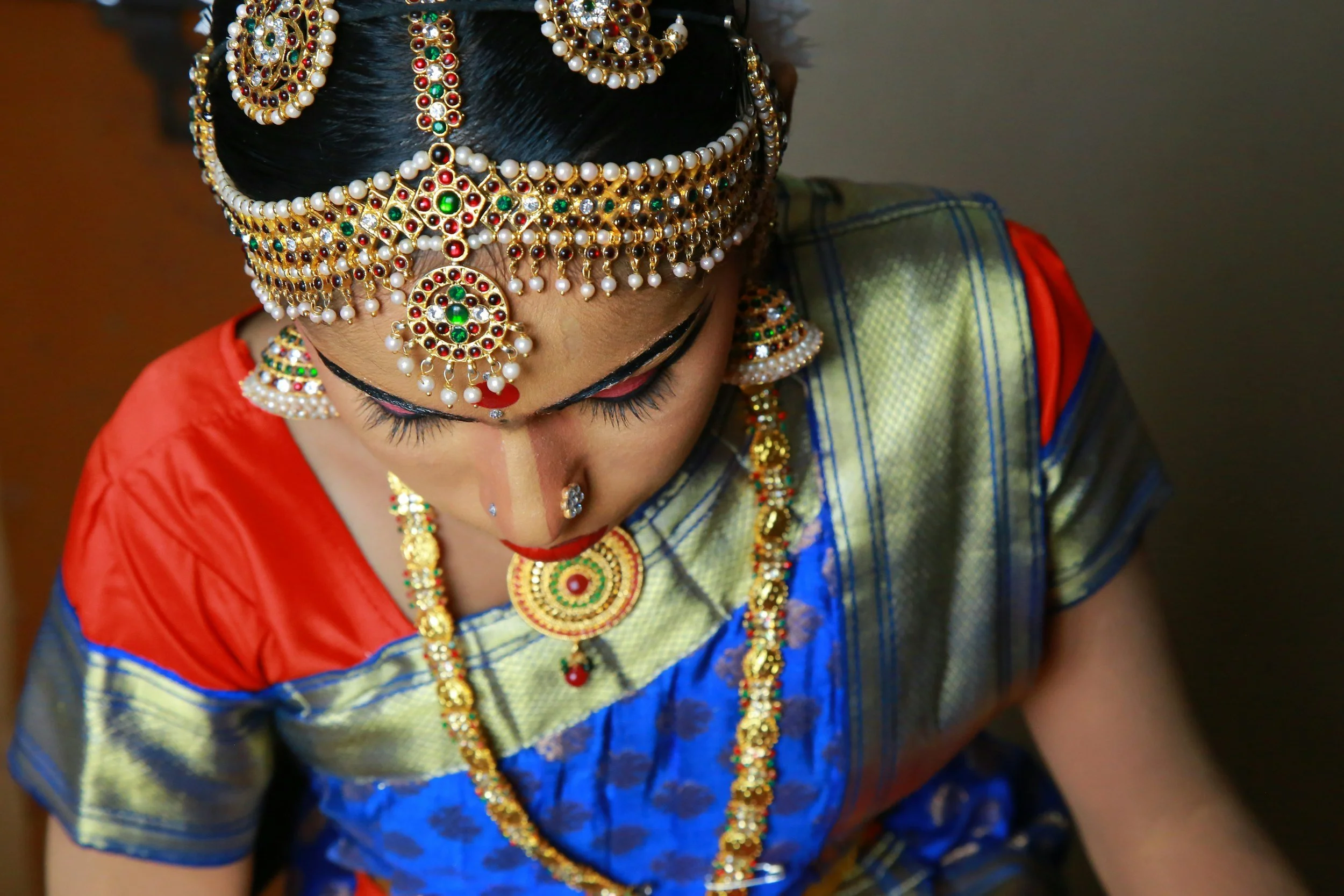
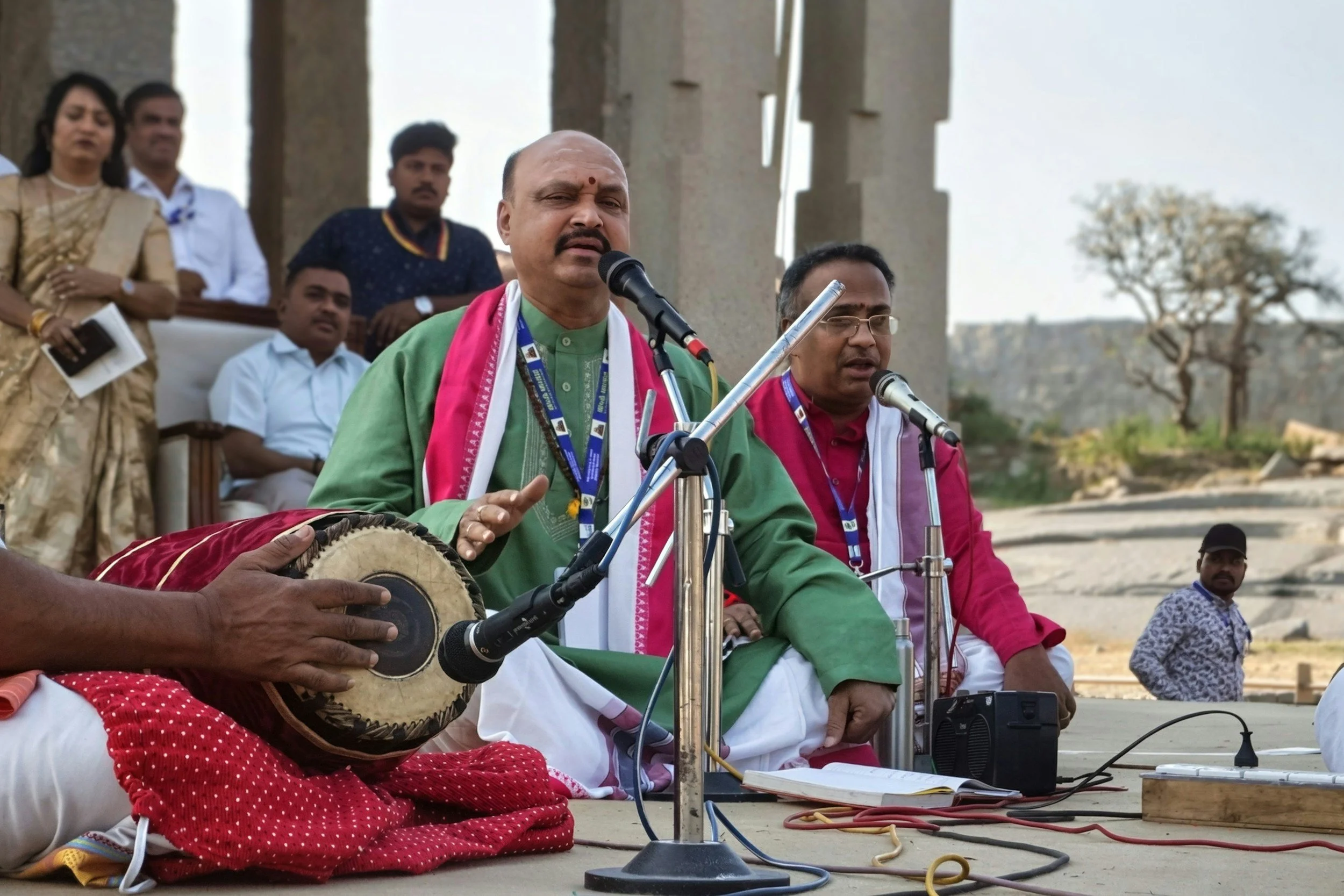


The word arangetram comes from the Tamil words arangam, or “stage,” and etram, which means “ascent.” It represents the first time a student in the South Indian classical arts “ascends the stage” as a soloist. For the Indian classical arts more broadly, the event can also be called a ranga pravesha, a Sanskrit term. Arangetrams happen not just in dance, but also in music. In fact, there are people who have done multiple arangetrams in different disciplines ranging from dance to vocals to instrumental music.
Arangetram is a huge milestone because it means the teacher feels ready and prepared to present her student to the public as a product of her teaching and guidance. It also signifies and conveys the teacher’s confidence that the student is qualified to perform professionally. It is a moment that I embrace with so much humility, knowing that I am representing not only my teachers, but the teachers who preceded them. And that my acharya (teacher), Ramya Aunty, gave me this opportunity.
For me personally, I am also looking forward to my arangetram because I will be able to join the Arpana Dance Company under Ramya Aunty’s artistic leadership. I look forward to performing with ADC and taking any meaningful opportunities to perform which may arise. Additionally, as an English Literature major, I am thoroughly excited to continue exploring the literature, music, and poetry we bring to life in this dance form.
Another neat thing about arangetram is that it is a basic qualification to be able to teach dance to others. I love teaching and I hope I get to do that as well.